Ancestry · Iphexar · Midralis
Myûr
 Common
“They are, in the aggregate, a study in mediocrity that somehow refuses to behave like one. Short-lived, Prisma-limited, derivative in their institutions, their architecture borrowed from older races and their Prismaturgy learned rather than felt, and yet the political map of the New Age is functionally theirs. There is a subtle shift towards Myûr-centric systems with every passing year. One watches, takes notes, and finds the notes increasingly difficult to file without a Myûr being involved somewhere.”
— Eonlogos, Celosian ArchivistOverview
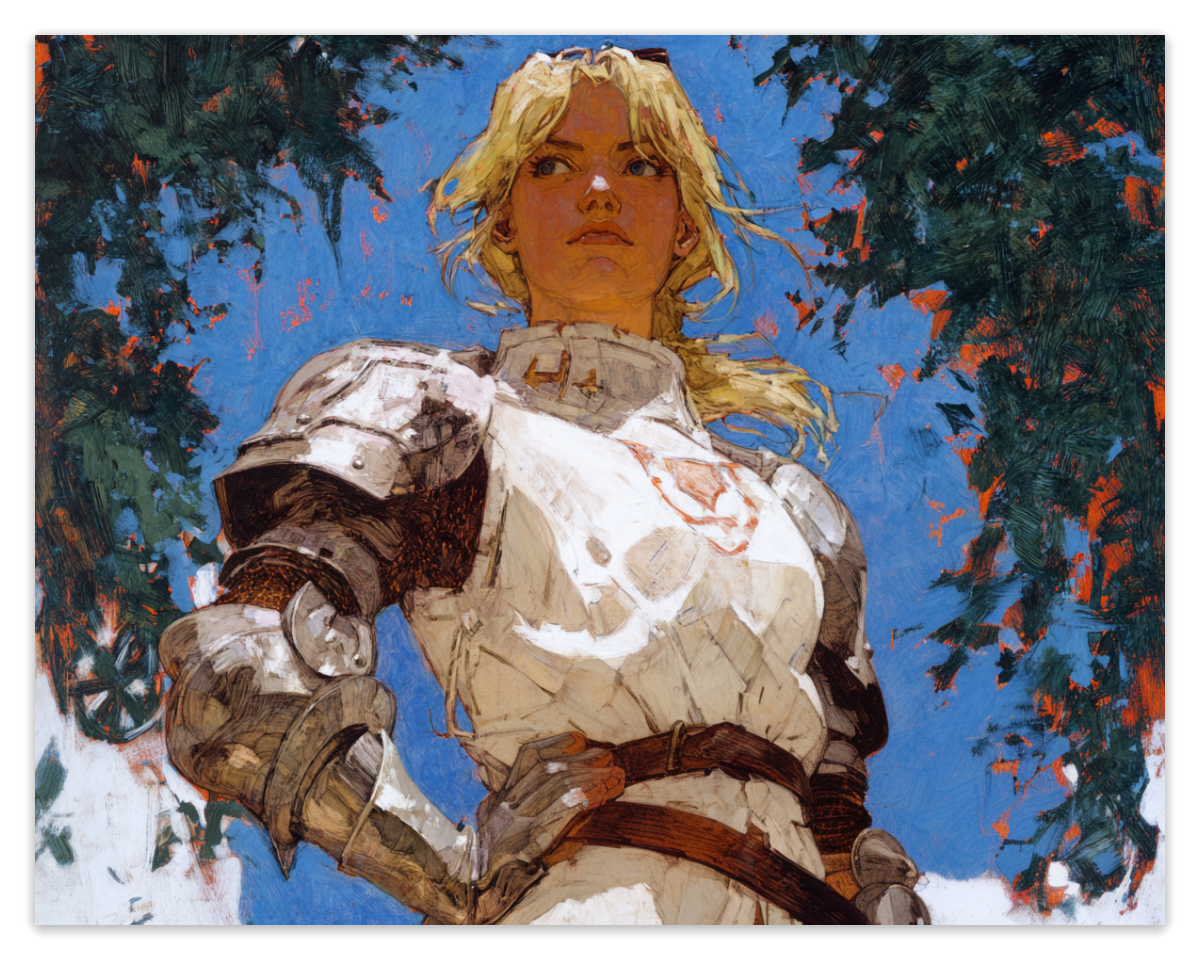
Myûr are the most numerous people in Midralis. They are not the oldest, not the most individually capable, and not innately gifted in Prismaturgy. None of that has mattered as much as one might expect. What the Myûr have is institutional momentum, and in four Ages of civilizational rebuilding, institutional momentum compounds.
The mechanism is not conquest. It is standardization. When enough communities use the same calendar, the same licensing framework, the same legal categories, that framework stops feeling like a choice. It starts feeling like common sense. The Concordiax does not need to force compliance; it offers membership in a functional system. Most communities, eventually, join. What they give up in the process is rarely itemized.
Diplomata is the sharpest example of this. It is the universal tongue, and it developed under Myûr institutional sponsorship. It reflects Myûr grammatical preferences. It carries Myûr cultural assumptions so thoroughly that speakers from other traditions find it subtly alienating in ways they often cannot name. Myûr do not notice. From inside Diplomata, it sounds like how language works. That is exactly the point.
Twelve distinct ethnic groups exist within the Myûr population, each the product of geographic separation and centuries of distinct cultural development. These groups share biological identity and little else. Their languages, aesthetics, spiritual practices, and self-conceptions vary enormously. What unites them is circumstance: they are all Myûr in a world that increasingly organizes itself around Myûr-built systems, whether they helped build those systems or not.
Origin & History
A People Without a Record
The Myûr trace their origins to Old Midralis. Beyond that, the record thins out quickly. Their earliest emergence is undocumented in any surviving archive. There is no transitional fossil record in the Ninefold Conservatory’s pre-Cataclysm collections, no half-formed predecessor species, no chain of descent from anything that came before. The most common institutional reading is that the Elemental Cataclysm destroyed whatever evidence once existed. The less comfortable reading is that there was no such evidence to destroy.
Each ethnic group carries its own origin account. These accounts are irreconcilable in their specifics and consistent in their shape: across twelve distinct traditions, luminous figures appear, descend upon early communities, and impart foundational knowledge. Agriculture. Craftsmanship. Writing. Governance. The figures are described differently in each tradition. The pattern they form is the same. Whether those figures were Old Gods, agents of something older, or a later interpretive layer imposed on genuinely inexplicable cultural emergence is not established in any surviving text. Scholars who find the pattern interesting tend to go quiet about it rather than publish.
The Great Migration
As Myûr populations expanded, they spread across Midralis in a series of generational movements driven by population pressure, exploration, and the same restlessness that marks Myûr civilization in every subsequent era. The Great Migration produced the ethnic differentiation that persists today. Geographic separation and cultural isolation across centuries transformed a biologically unified population into twelve groups with radically different aesthetics, traditions, and self-conceptions. The institutional discourse that calls this a single people is not wrong exactly, but it papers over a lot.
The Elemental Cataclysm
The Cataclysm reshaped Midralis and destroyed most of what the Myûr had built. Their survival was a function of numbers and geographic spread. With populations on every continent and in every environment, the Myûr had no single point of failure. Individual communities were destroyed in enormous numbers. The race persisted because there were simply too many of them, in too many places, for the Cataclysm to finish the job. What came after was not preservation but reconstruction, built from fragments, oral traditions, and the occasional surviving archive. Myûr civilization is a reconstruction calling itself a continuity. Whether it accurately reconstructs anything that genuinely existed before is a question the institutional scholarship has successfully avoided asking.
The 4th Age
Myûr populations recovered faster than any other race after the Cataclysm. Shorter generational cycles mean faster iteration. While longer-lived races were still grieving and consolidating, the Myûr were rebuilding, revising, and rebuilding again. Within two Ages they had established the political structures that now dominate Auridia and hold significant influence in the Hino Federation.
The 4th Age is, functionally, a Myûr age. Not because the Myûr won a war, but because the institutions that organize daily life across Auridia were designed by Myûr, staffed primarily by Myûr, and reflect Myûr assumptions about what governance, licensing, and scholarship should look like. Other peoples participate in these institutions, lead within them, and sometimes chafe against them. The architecture reflects Myûr logic regardless.
What this produces in Myûr culture is a confidence that most Myûr do not recognize as having any particular character. The Concordiax administrator who processes Verbum licensing applications is not condescending. They are doing a job within what feels like a well-designed system. That the system defines access to a universal communication standard, making non-participation a slow economic and political marginalization, is not a problem they have been asked to think about.
Non-Myûr peoples navigate around this constantly. It is not hostility and not contempt; it is more pervasive than either, because it requires no bad intent and produces its effects through accumulated small assumptions. A Dwarven clan elder presenting centuries of infrastructure knowledge to a Myûr administrative council finds their knowledge received with genuine respect, then translated into institutional categories that do not fully accommodate what the knowledge actually is. The translation is not recognized as a translation. The administrators do not know there is another language the knowledge could be in. The Erdenezuun have been watching Myûr administrative reach expand for fifteen centuries and have calibrated their refusals accordingly. The Islari extend to the Concordiax the same courtesy they extend to everything that passes through the Azure Expanse: acknowledgment without engagement.
Prismaturgy is where the institutional logic is most legible. The Myûr are not innately gifted practitioners; their output is rarely exceptional. What they built instead is the Prismaturge’s Guild, the Ninefold Conservatory, and the Concordiax’s regulatory framework. Certification beats intuition at scale. Reproducibility beats genius over time. Legal monopoly over what counts as legitimate practice beats local mastery that was never written down. The Myûr did not outpractice older Prismal traditions. They outpapered them.
Physical Features
- Height 5’0”–6’2”, with significant regional and ethnic variation
- Skin tones span the full spectrum reflecting twelve ethnic origins across diverse geographies
- Hair and eye color vary entirely by ethnic group, with no universal Myûric physical markers beyond basic shared morphology
- Build ranges from lean to stocky depending on regional origin; no cross-ethnic body type is consistent
- Lifespan 70–90 years; exceptional individuals reach 110
- No innate Prismal features in most of the population; several ethnic groups have developed population-level physical adaptations from sustained exposure to specific Prismal Current environments
Fantastical Physical Traits
Several ethnic groups have developed population-level physical adaptations from sustained millennial exposure to specific Prismal Current environments. These are biological, not Prismal working.
- Ridani – Sky blue, deep blue, rust, and black hair from Jag’dri’s saturated Prisma Currents. Retained for life; fades across 2–4 generations outside Jag’dri.
- Kyoshin – Hair is predominantly dark. Pink hair appears in the population, exceptionally rare, with no documented Prismal Current explanation.
- Zemari – White to silver-white hair from Vasterien’s deep Current bleaching. Kessahn communities carry the purest white. Dark-haired individuals are rare and carry specific social meaning.
- Skalder – Hvitbrann, pale silver to white irises that glow faintly under strong emotion or active Echo expression. Named by the Dracovian communities who observed it first.
- Qarasi – Vivid emerald to deep teal-green hair across the entire population. The older tradition says the desert gave it to them. The Prismaturge’s Guild has theories. The Qarasi find the theories less interesting than the desert itself.
The Twelve Ethnic Groups
Twelve ethnic groups exist within the Myûr population, each the product of geographic separation, environmental adaptation, and centuries of distinct cultural development. These are not subraces. They are fully interfertile and biologically identical. They are cultural identities, regional affiliations, and in many cases the primary lens through which a Myûr understands their place in the world. The institutional discourse that flattens them into a single demographic category says more about the institution than the people.

A Note on the Myûr
Myûr are the most racially diverse ancestry in Midralis. Twelve distinct ethnic groups, each with its own language, aesthetics, governance structures, and self-conception — all biologically identical, all equally Myûr. No other mortal ancestry spans a comparable range of cultural expression within a single species.
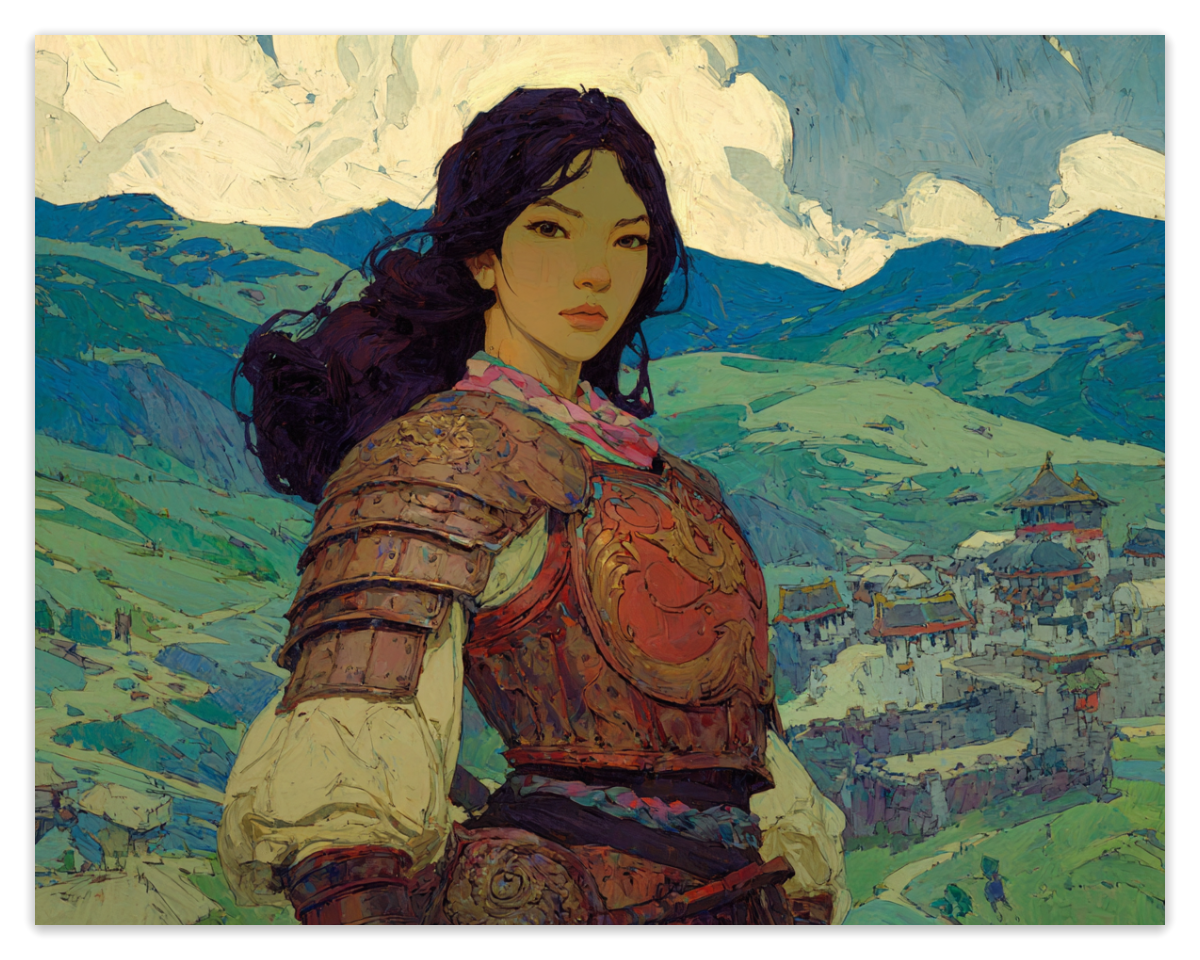
Nomadic Myûr of the Kyou interior, organized entirely around mobility. They have survived four thousand years of the world’s reorganizations without being absorbed into any of them. Their Kurultai governance, Zairan shamanic tradition, and Kürüshin Riders define a culture that treats the steppes as civilization, not frontier.


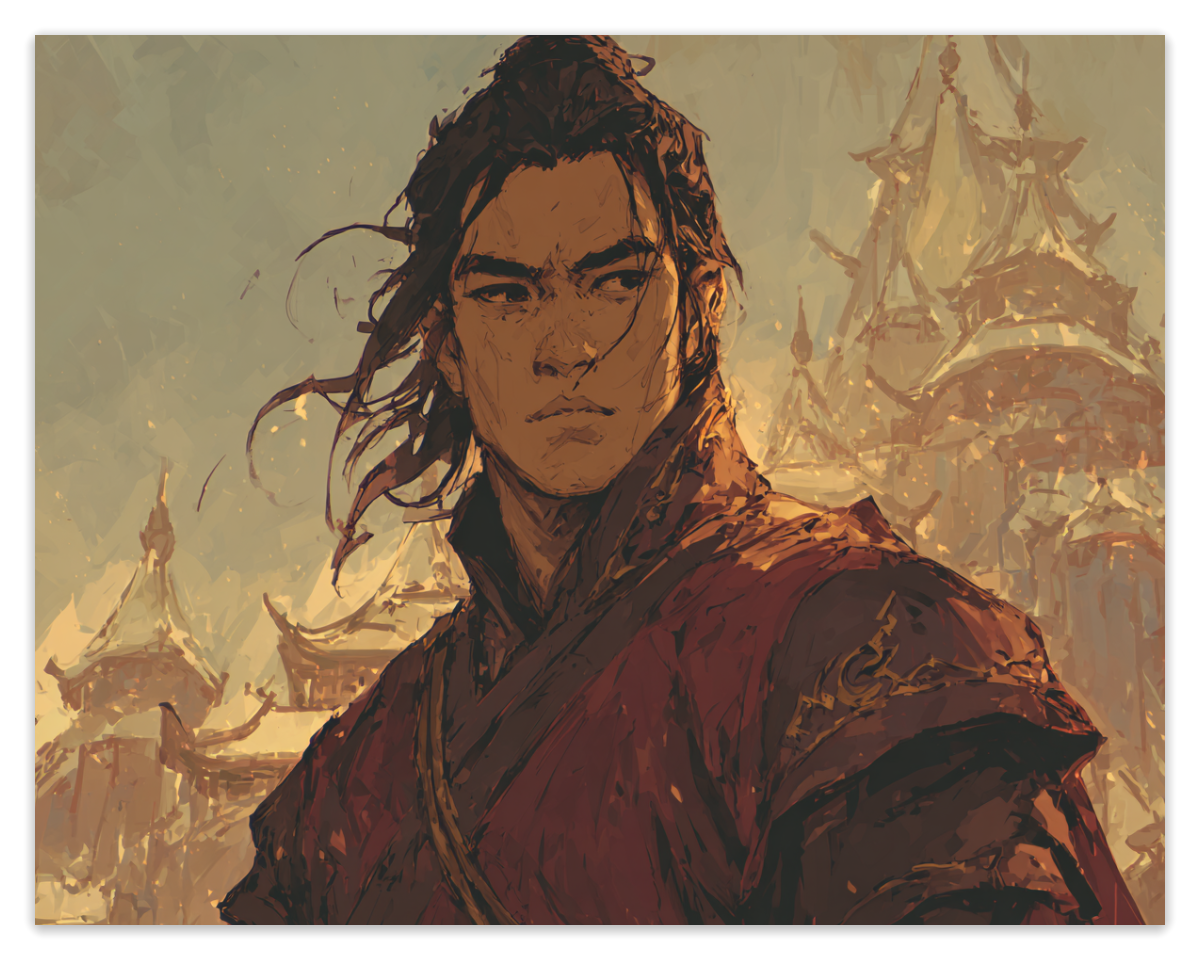
The largest Myûr ethnic group in Kyou and still a minority in the nation where most of them live. Unable to claim institutional standing by default, the Kyoshin built it through achievement. Ancestor-halls and the Lihua Examination define Kyoshin identity across the Federation. Hair is predominantly dark; pink appears in the population, exceptionally rare.



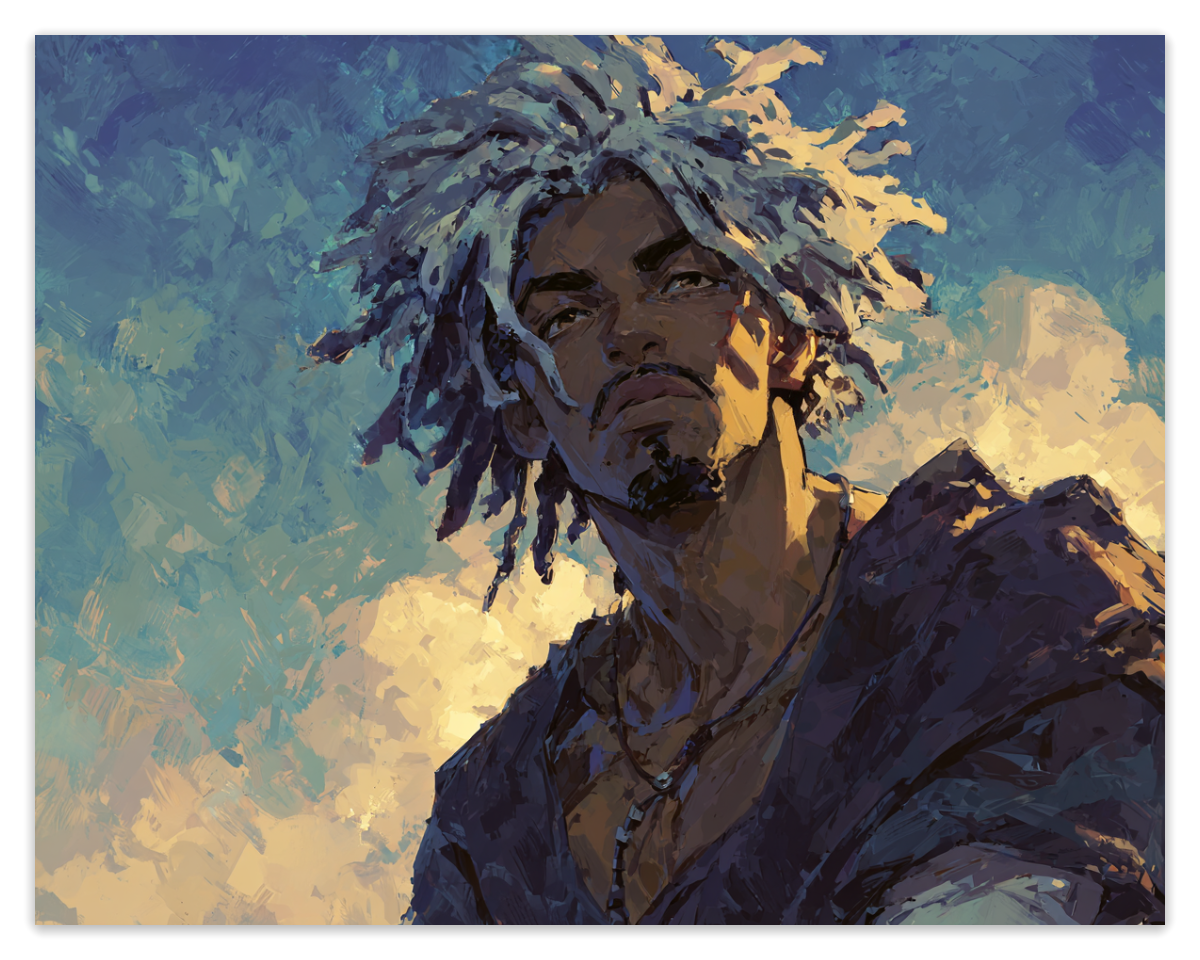
Built a civilization in what everyone else considers the space between destinations. The Azu’kai don’t own the Azure Expanse; they know it better than anyone else, and in maritime terms, that amounts to the same thing. Their city-states and mercantile republics are the Expanse’s connective tissue.

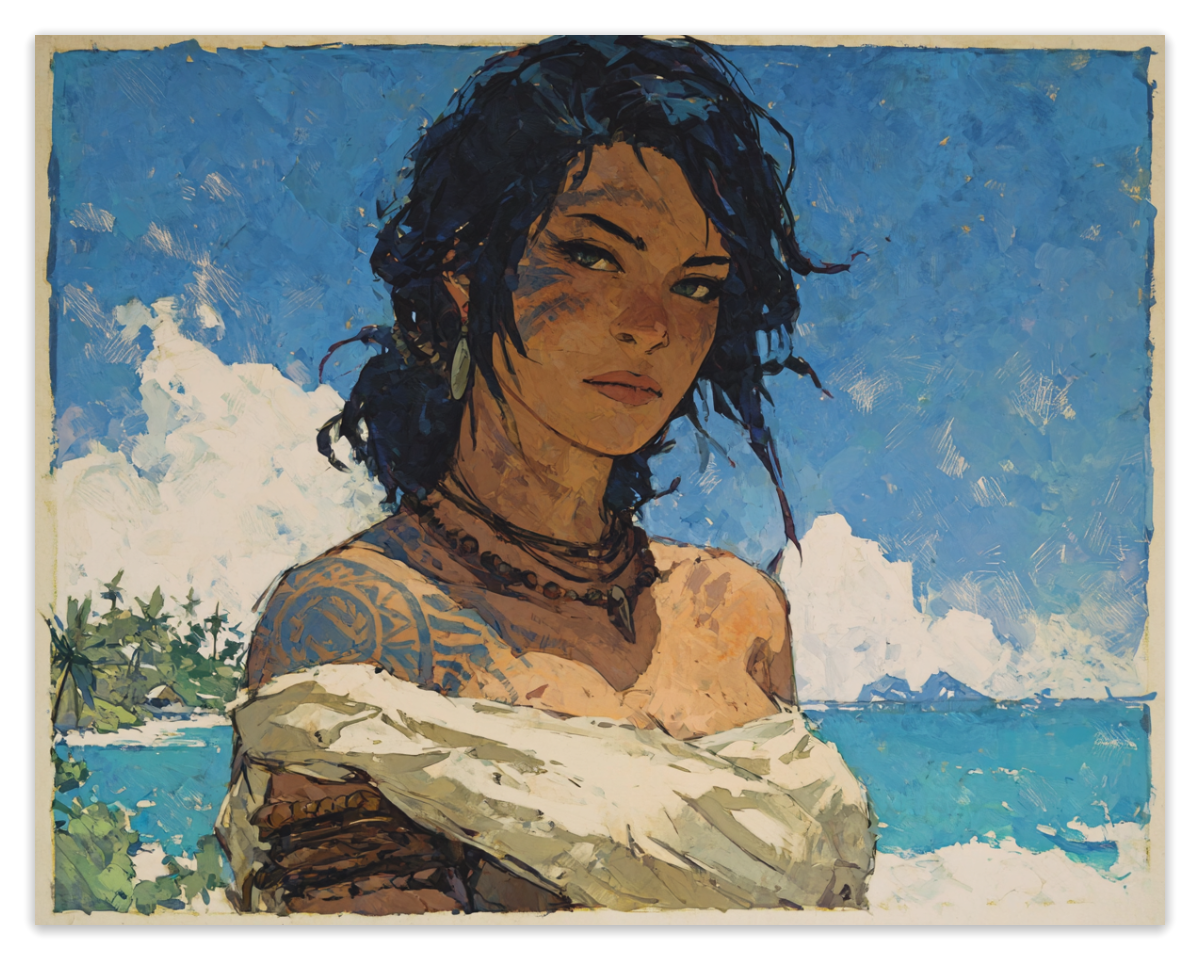
Where the Azu’kai built civilization around the ocean’s connective function, the Islari built theirs around the islands themselves, understood as living presences rather than waypoints. Conservative and non-integrating by deliberate practice. Their navigation doesn’t find islands; the islands come to them.

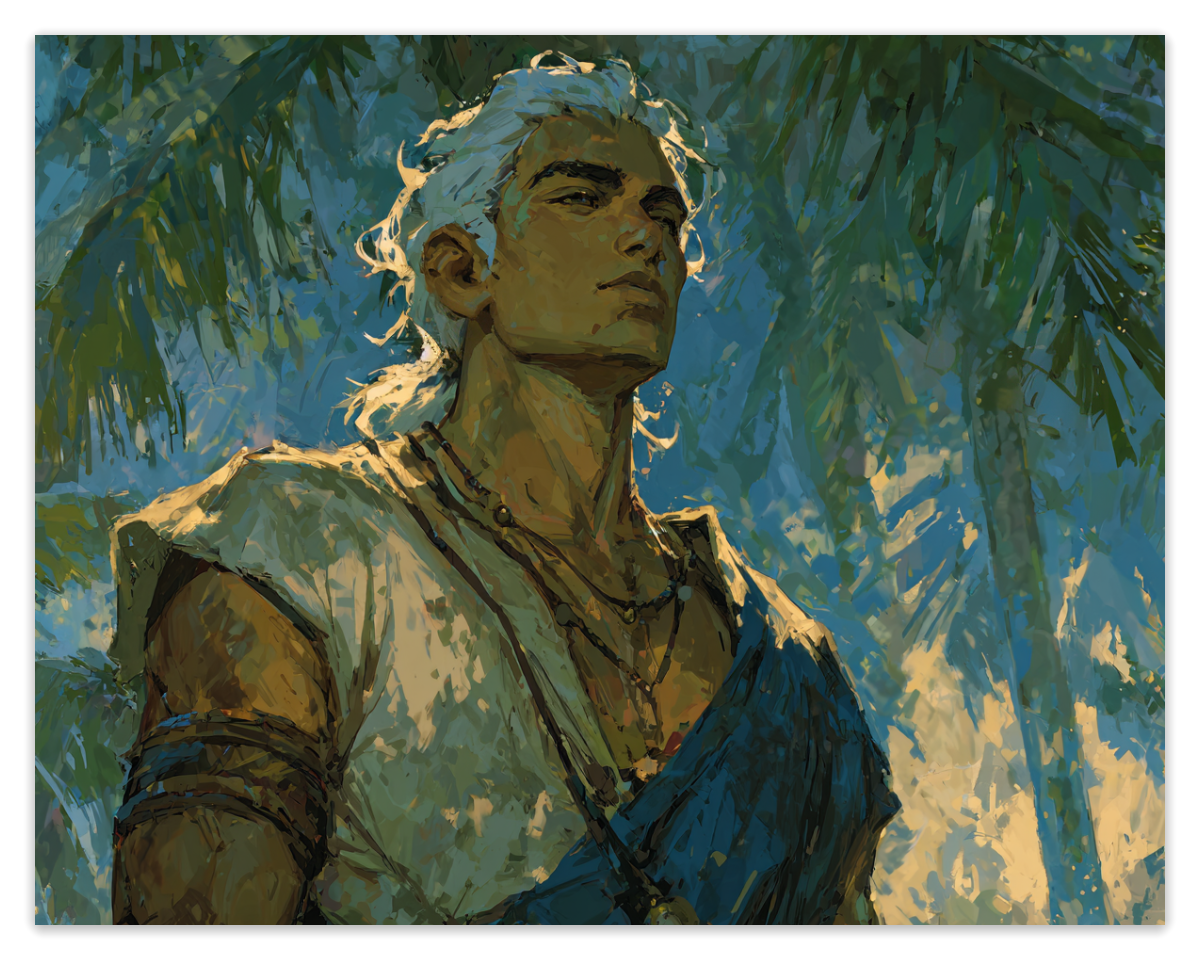
Shaped by terrain that will not hold still, the most Prismatically unstable geography in Auridia. The Ridani developed inner constancy as the counterweight to outer flux. Their sky blue, deep blue, rust, and black hair is a biological product of Jag’dri’s saturated Prisma Currents.

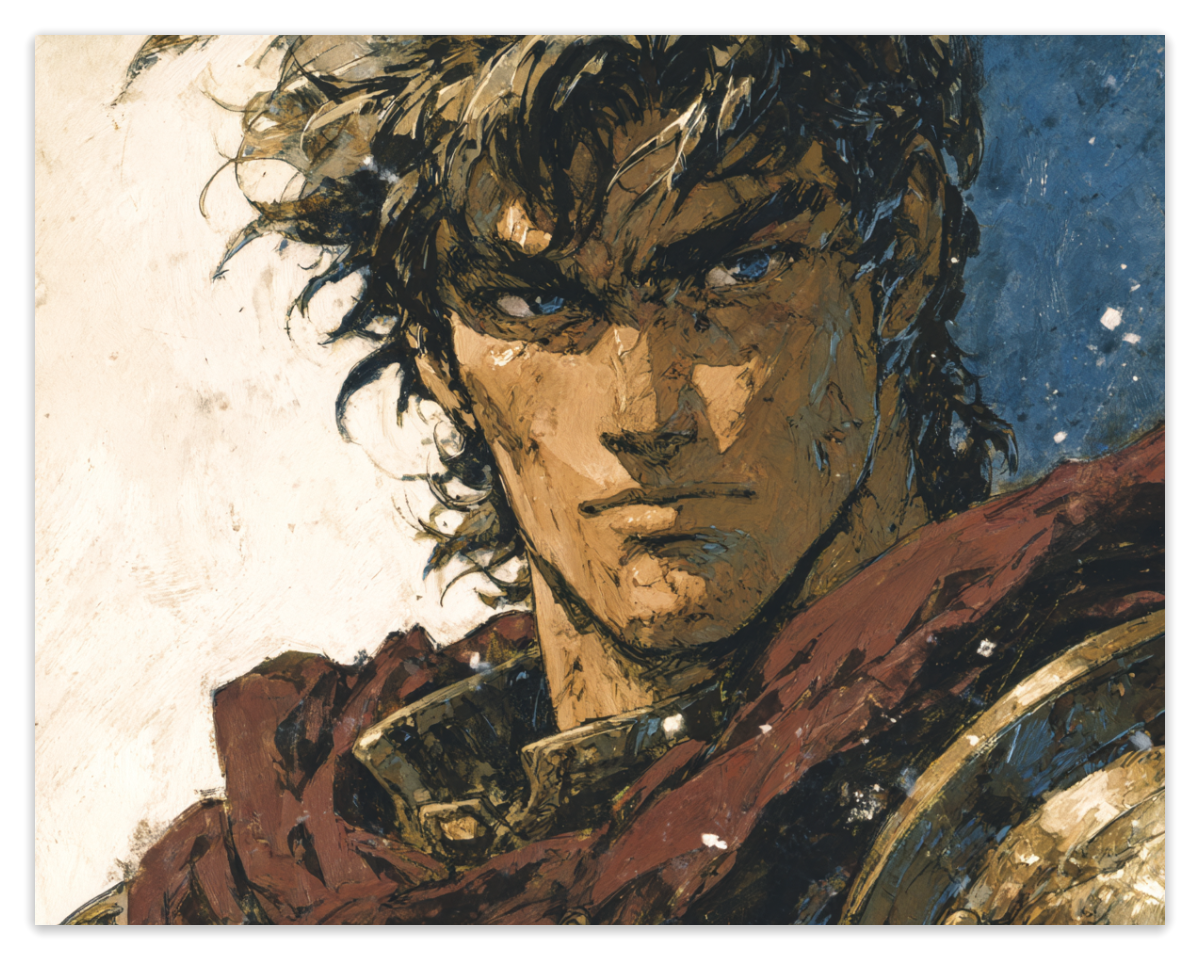
Among the oldest continuously settled Myûr in Auridia, present in northeast Lumér before any of the political structures that currently contain them. Their relationship to time is geological rather than historical. They trace themselves through practices, not kingdoms. Threshold traditions, waymarker networks, and ancestor-craft are the threads running through Varishi communities regardless of which state they live under.

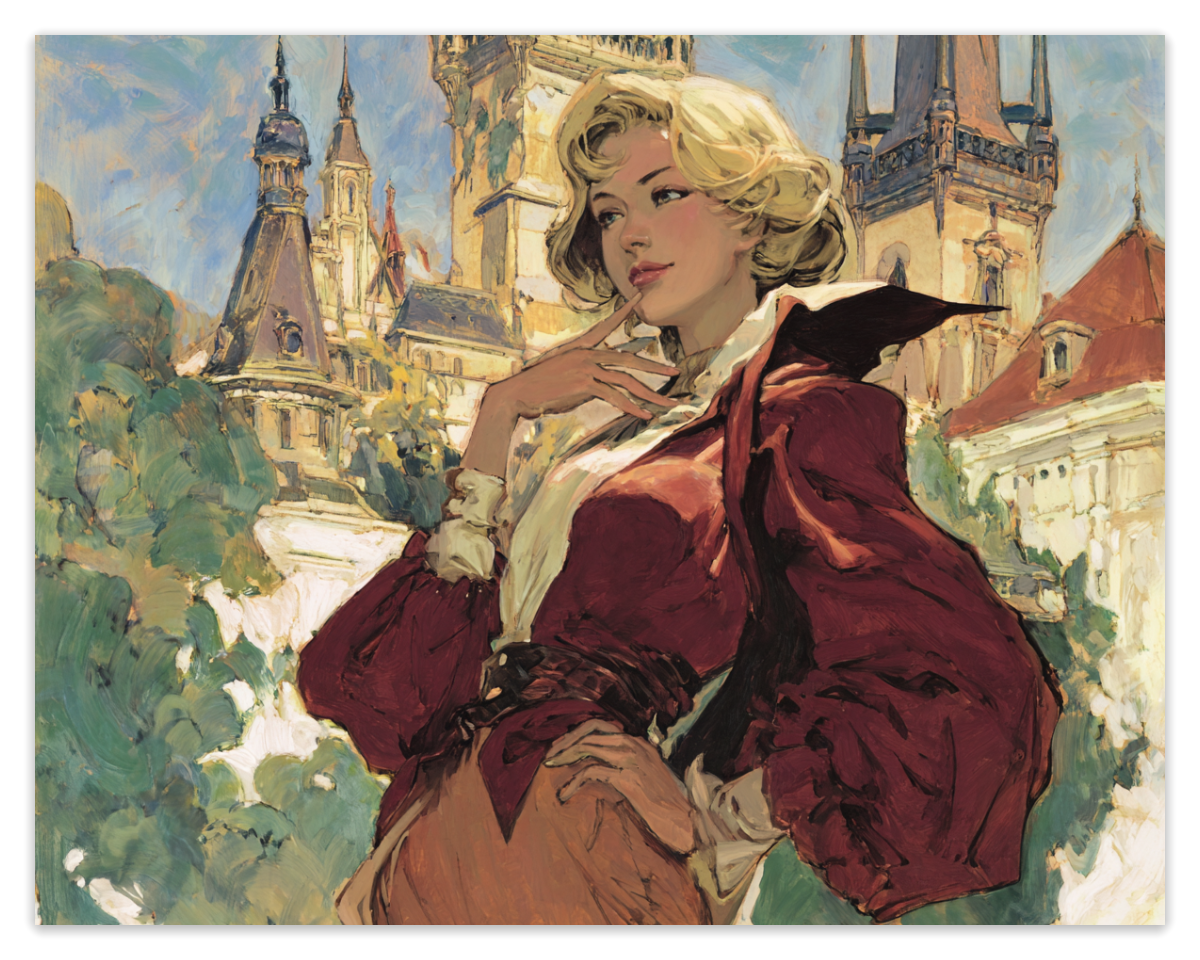
A people shaped by competition, in art, in commerce, in sport, in the unspoken contest of who sets the standard everyone else gets measured against. The Norveni are not comfortable being second. Northwest Lumér holds many states sharing this inheritance and expressing it differently, but the drive runs through all of them.


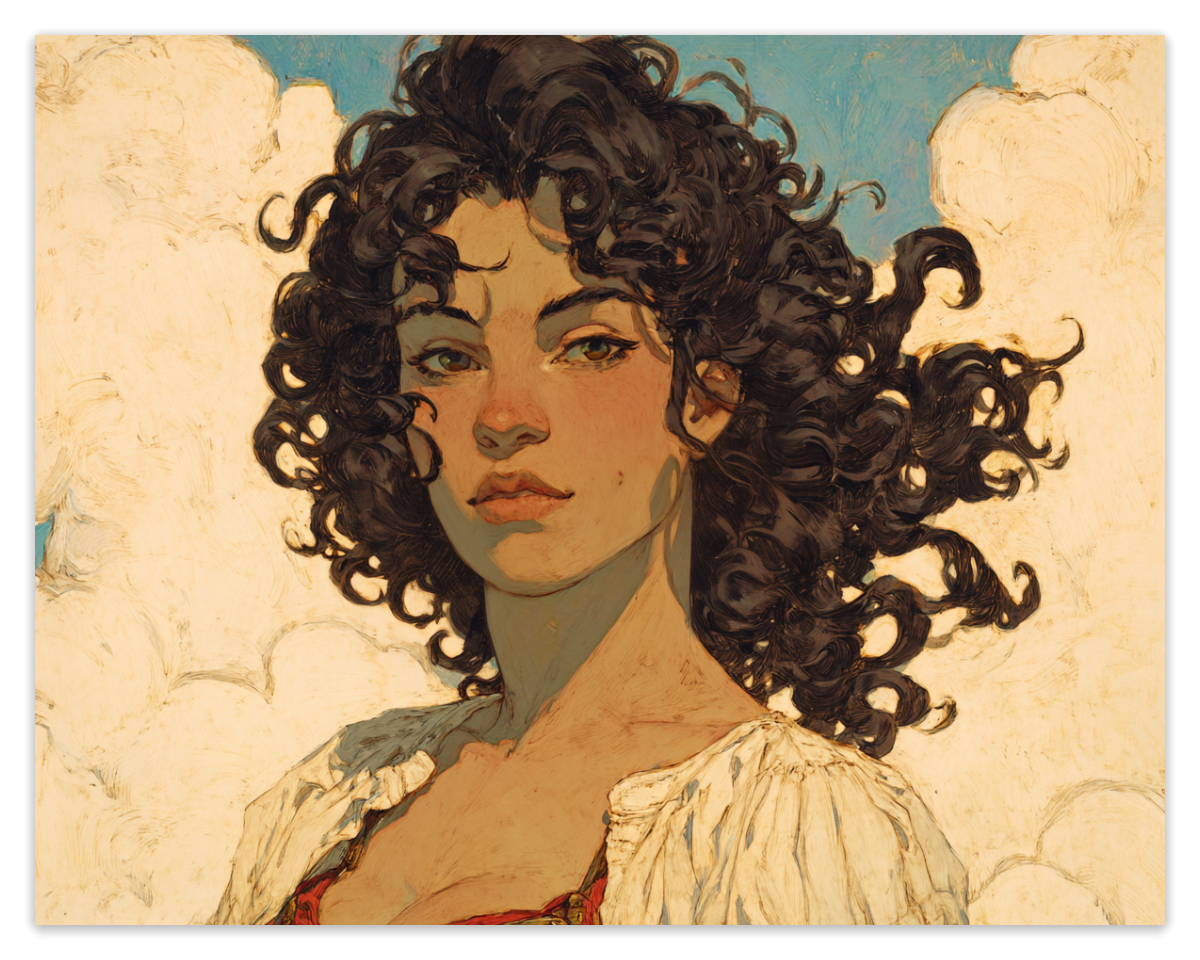
They hold the conviction that joy is resistance and communal celebration is a civilizational act. A Lantini gathering is not an escape from the world. It is a sustained public argument that the world is worth being fully present in. Concentrated in the Kingdom of Valerios, but the philosophy travels. Find a Lantini anywhere in Midralis and the warmth, the directness, the relationship to food and music and gathered company will be there.
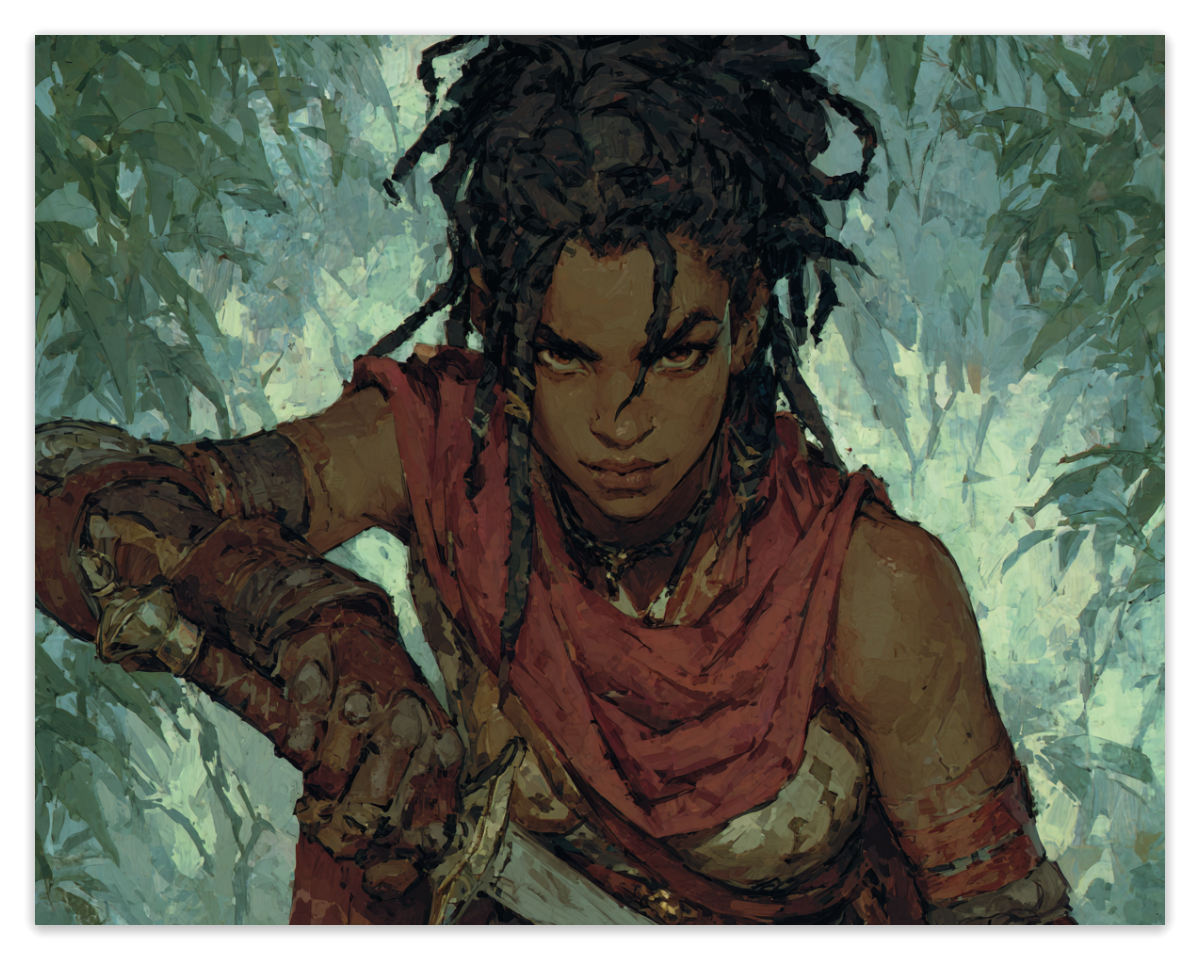
Five distinct tribes, one root: the Gondo jungle fringe and the Tafosi court look nothing alike, but both are expressions of a culture whose vocal Prismal practice developed as prayer in communities living alongside the Marshsskar before the Galekian Empire existed. The Tshindani predate every political structure that currently contains them.
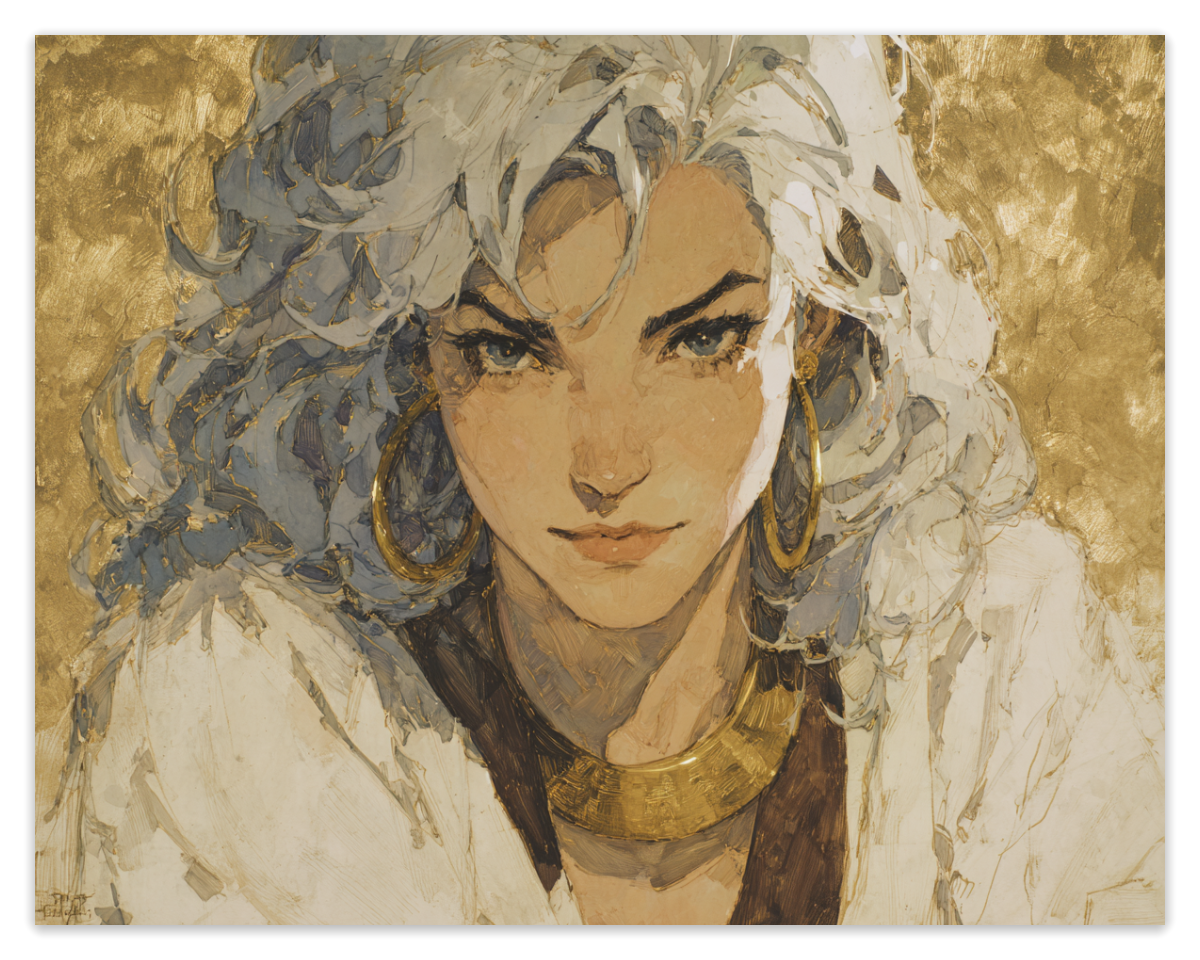
Organized around a specific quality of seriousness, not gravity as performance, but the orientation of a culture that understands the things that matter to be exactly the things treated as mattering. They build as though the building will be seen completely. White to silver-white hair across the population, a biological product of Vasterien’s anomalous deep Prisma Currents.

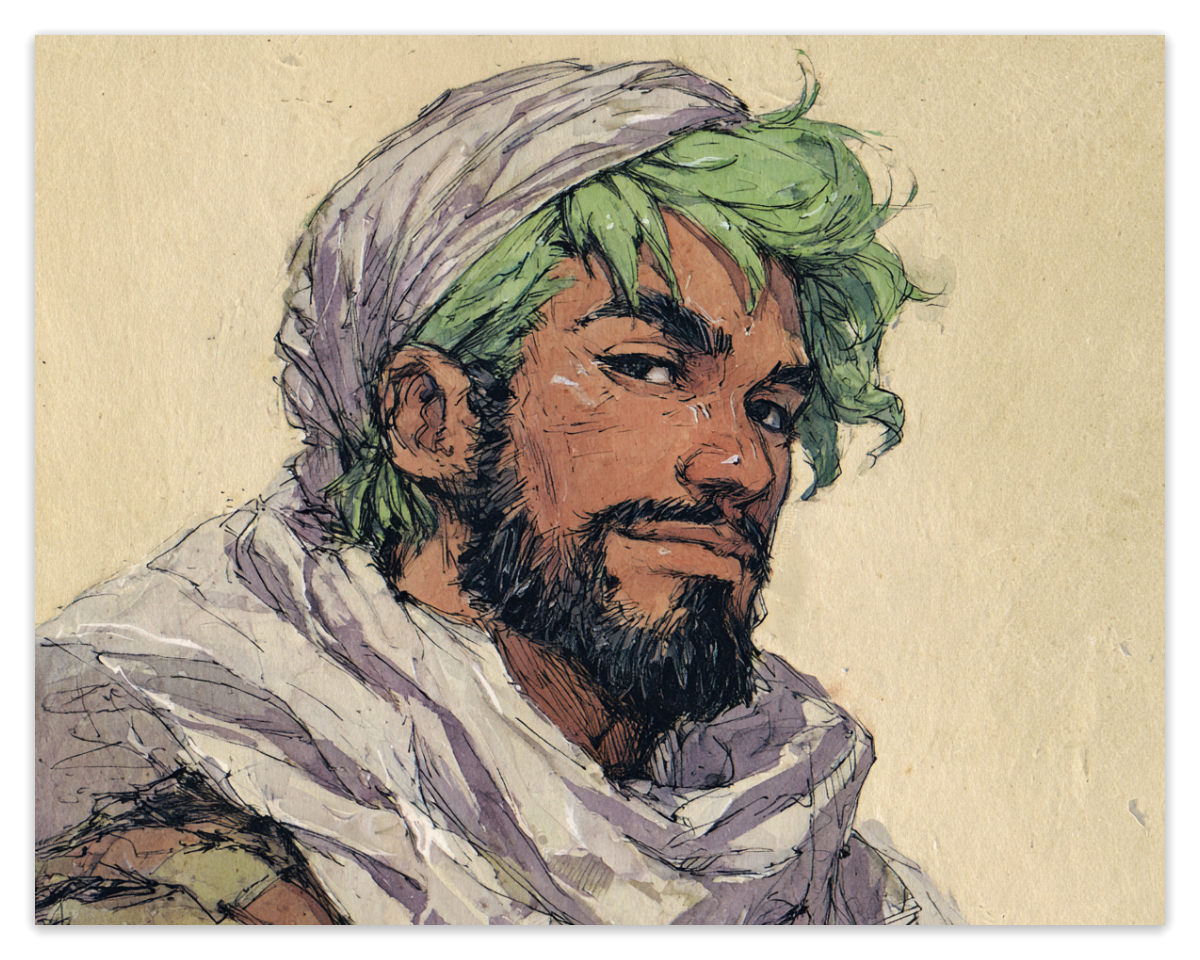
They predate every city in Vasterien. Their civilization is built not on territory but on named waters: the oases they have tended for thirty generations are not administrative property; they are identity. Vivid emerald to deep teal-green hair across the entire population. The older tradition says the desert gave it to them. That is considered sufficient.
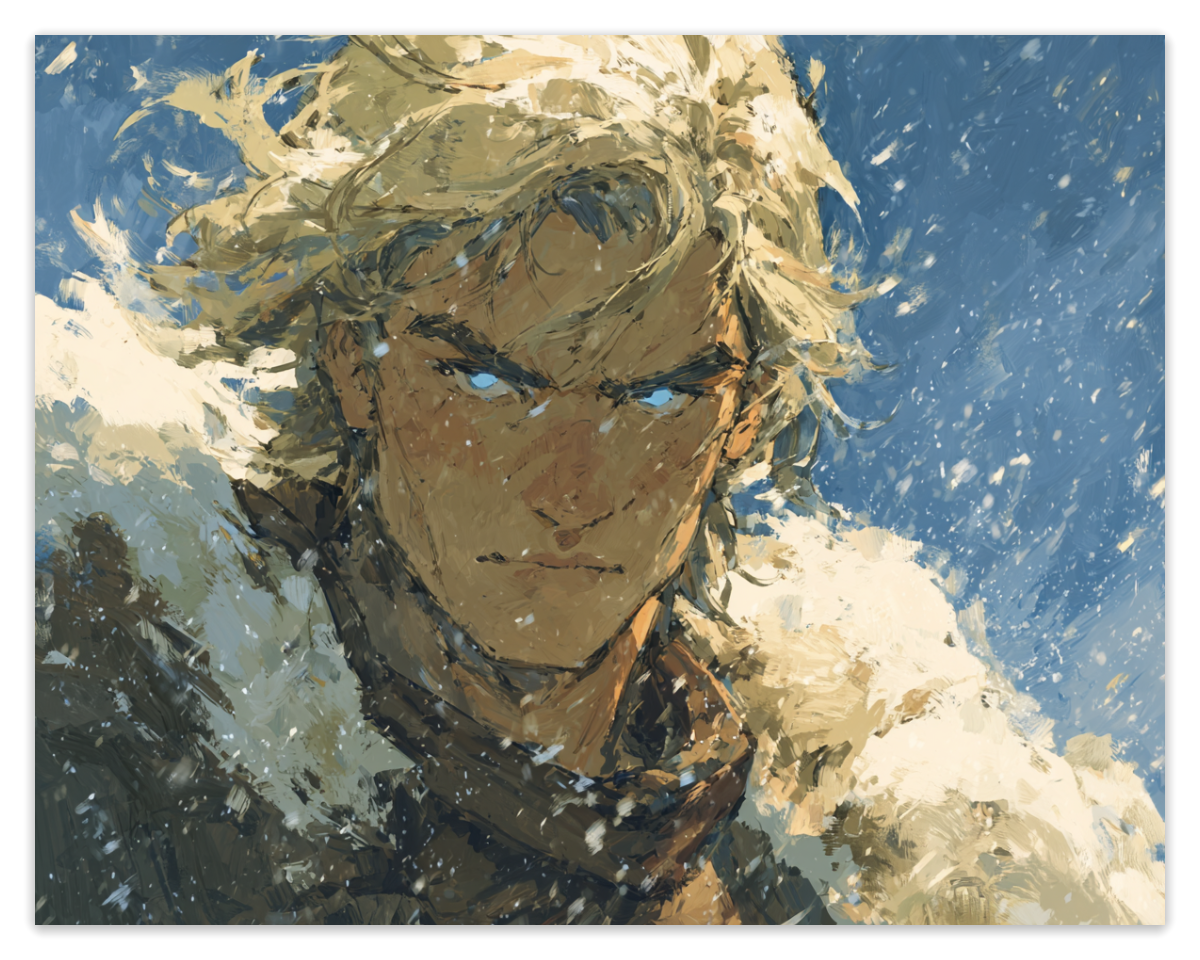
The Myûr who stayed when the Galekian Empire collapsed and Kält emptied of its administrative apparatus. They carry the ordinary-people account of Imperial history: not heroic literature but witness literature. Their eyes, the Hvitbrann, glow faintly under strong emotion or active Echo expression. The Dracovian communities who observed it first named the trait.
Affinity Disposition: Balanced
Myûr exhibit the closest thing to a flat Spiritual Expression distribution of any mortal race in Midralis. No expression sits dramatically above or below the baseline. Slight elevations in Mind, Anima, Fire, and Nature reflect the breadth of their ethnic diversity rather than any single Myûric cultural tendency.
The Empyreal rate matches the general mortal floor. The high Echo variance that characterizes the Myûr is visible not in the distribution of expression types but in an unusually wide standard deviation around individual expression strength. Most Myûr are ordinary. The tail of the distribution is disproportionately long and has shaped Midralis repeatedly in ways the baseline numbers do not predict. No scholar in the 4th Age has an adequate explanation for this. The variance is too consistent across ethnic groups and too extreme at the tail to be random. It is documented and filed. The filing does not fully contain what it is documenting.
This table reflects population-level Spira tendencies; individual variation always applies.
| Spiritual Expression | Distribution (%) |
|---|---|
| Nature | 8.0 |
| Wind | 7.5 |
| Anima | 8.0 |
| Mind | 8.0 |
| Fire | 8.0 |
| Metal | 7.5 |
| Earth | 7.5 |
| Aqua | 7.5 |
| Electricity | 7.5 |
| Ice | 7.5 |
| Thunder | 7.5 |
| Darkness | 7.5 |
| Light | 7.5 |
| Empyreal | 0.5 |
Language Notes
Myûr do not have a racial language. Each ethnic group speaks one or more regional Standards in addition to Diplomata, and those Standards do the work that Diplomata cannot: the emotional register of gathered family, the specific vocabulary of a craft tradition, the cultural subtext that only exists inside the community using it.
Diplomata deserves more scrutiny than it usually receives. It is described as a universal standard and it is, in the sense that Verbum-activated speakers across Midralis can communicate through it. What it does not advertise is that it developed under Myûr institutional sponsorship, reflects Myûr grammatical preferences, and encodes Myûr assumptions about time, obligation, and social hierarchy in ways that speakers from non-Myûr traditions find subtly alienating in everyday use. The Sskar’s grammatical structure for speaking as an embodied ancestor does not exist in Diplomata. The Azu’kai’s tidal-cycle register for maritime negotiation does not exist in Diplomata. The things a language cannot say tell you whose language it actually is.
Myûr do not experience Diplomata as an advantage. From inside it, it simply sounds like how language works. That is not cynicism. It is how cultural defaults operate. The discomfort shows up elsewhere: in the Concordiax administrators who find certain communities’ refusal to conduct business in Diplomata frustrating without being able to articulate exactly why it feels like a challenge to authority. In the subtle difference between a negotiation conducted in Diplomata and one conducted in the other party’s language, which every experienced Myûr diplomat knows is a real difference and most Myûr institutions are not set up to acknowledge.
Systems & Campaigns
- Pathfinder 2e Human Ancestry
- Draw Steel Human Ancestry
- Daggerheart Human Heritage
- D&D 5e+ Human Race
- Realmfall Saga Active