Ancestry · Iphexar · Midralis
Mirthling
 Uncommon
“Small. Cheerful. Broadly underestimated. I have watched Mirthling communities survive things that destroyed their larger, more formidable neighbors, and I have never once heard a satisfying explanation for how. They adapt. They persist. They laugh at things that are not funny, and somehow the laughing helps. I do not know what the Joyweavers were, but I have come to believe that whatever they put into the Mirthlings was not decoration. It is load-bearing.”
— Eonlogos, Celosian ArchivistOverview
Mirthlings are a small, resilient mortal race native to Midralis in the technical sense, and native to everywhere in practice. They have no homeland in the historical meaning: no founding territory, no ancestral seat, no origin city whose ruins can be visited and mourned. They are diaspora-native, which means distribution is not a consequence of displacement but the original condition of their presence in the world.
What they carry instead of a homeland is each other: the social architecture of community itself. Mirthling culture is not organized around territory, lineage records, or institutional power. It is organized around the meal that everyone contributes to, the story that gets better in the retelling, the specific and irreplaceable weight of belonging to people who know your name and your grandmother's name and the embarrassing thing you did at the harvest festival three years ago. That weight is not always comfortable. It is what it means to be known, and being known is the only thing they consider worth having.
In the 4th Age, Mirthlings are among the most widely distributed races in Midralis, and in any given community they become so woven into the fabric that their removal would leave holes nobody had thought to account for. A Mirthling quarter that packs up and leaves a city is a city that has lost its market gossip network, its most effective mediators, and the people who knew which magistrate drinks too much and which merchant is three payments behind. The departure is rarely dramatic; the consequences accrue quietly.
Physical Features
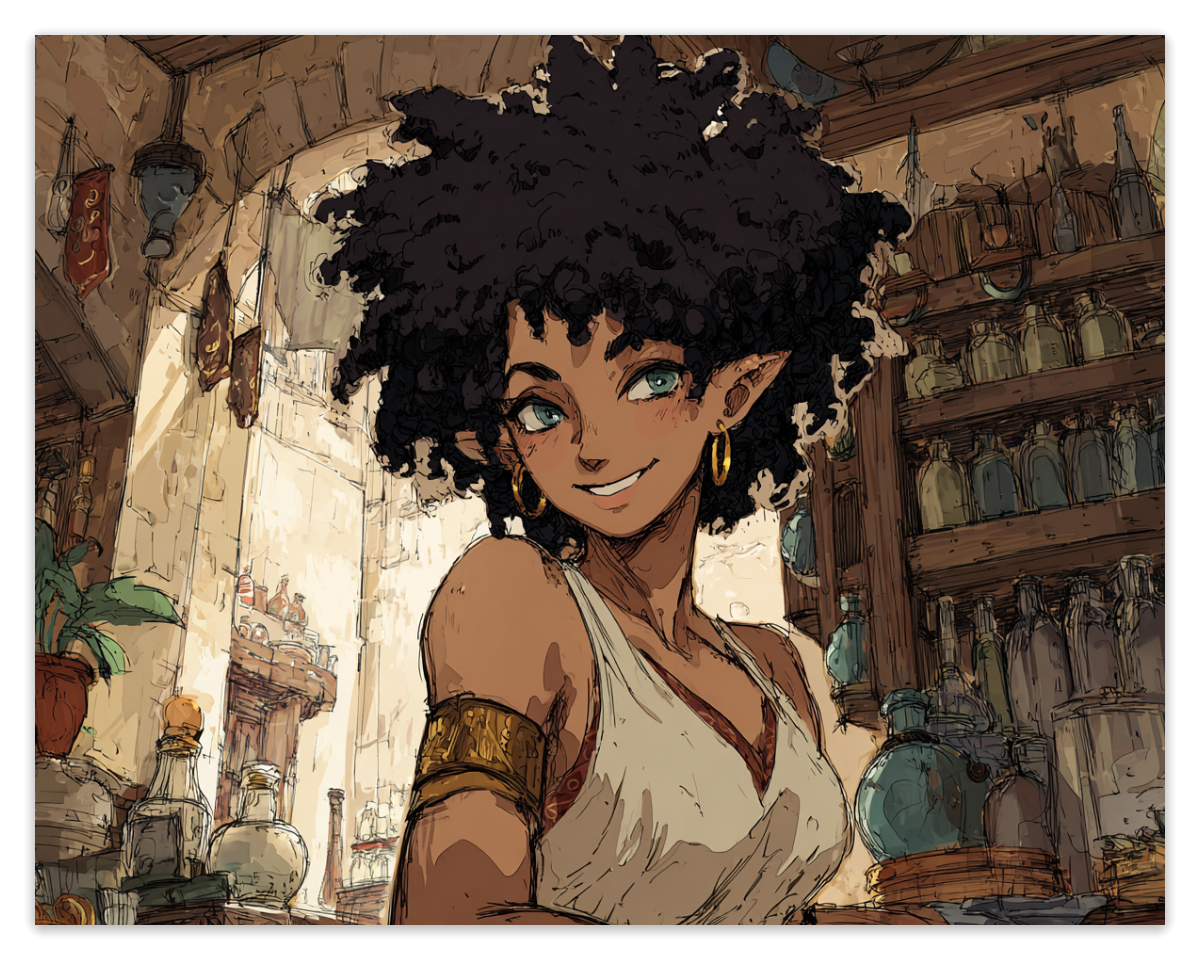
- Height 3’0”–4’0”; most cluster between 3’3” and 3’9”
- Hair universally curly to tightly coiled, in warm tones (blonde, auburn, copper, chestnut, deep brown, black); resists any styling that fights its natural curl, making it the most reliable cross-ethnic Mirthling physical marker
- Feet proportionally larger than most races relative to body size; naturally tough-soled, producing a low center of gravity and quiet movement that larger races often mistake for stealth
- Eyes warm-toned: brown, green, blue, hazel; consistently described as bright, an animation quality rather than a color. The specific look of eyes that are fully attending to what they see
- Ears slightly pointed, less pronounced than Åel ears but consistent across the population, a subtle marker that draws a second glance from those familiar with Åel features
- Facial features round, high-cheeked, expressive; read as friendly at rest; Mirthlings have complicated feelings about how reliably the friendly-face assumption causes outsiders to mistake attentiveness for simplicity
- Lifespan 150–180 years standard; exceptional individuals reach 200

A Note on Mirthlings
Mirthlii has no grammatical form for a person being entirely unknown to any living soul. There is no construction meaning someone once existed and is now remembered by no one. The language treats that condition as an error state, not a natural one. Non-Mirthling scholars who have noticed this tend not to find it comforting.
Origin & History
The First Presence
The earliest Mirthling communities had no civilizational infrastructure to build on: no prior institutions translated intact, no divine guidance, nothing but each other and a remade world. They were small, mobile, and embedded within larger populations from the beginning, appearing in the margins of other civilizations' records as traders, festival-organizers, the particular kind of neighbor who has lived on this street longer than anyone else and knows where the good water is. Their own oral tradition from this period preserves names, meals, weather, and the specific way certain people laughed. It does not preserve political events.
The Elemental Cataclysm
The Elemental Cataclysm did not produce a Mirthling civilizational collapse because there was no Mirthling civilization in the sense that collapses. What the Cataclysm could not destroy was the social architecture: the pattern of how Mirthlings organize themselves. That pattern does not depend on geography, infrastructure, or institutional continuity. It depends on the people who carry it, and enough of them survived. The post-Cataclysm oral tradition describes the period with characteristic practical focus: which communities found each other, which routes were still passable, where the festivals were held when there were no festival grounds left. The grief is present, but it is not the primary subject.
The New Age: Spread and Integration
Across the four Ages of the New Age, Mirthlings dispersed steadily across Midralis without ever organizing that dispersal into anything resembling a political project. There is no Mirthling empire, no Mirthling Concordiax, no institutional apparatus through which Mirthling interests are formally represented at the level of continental politics. What there is instead is presence.
The Gnome Arrival
When the Fey Migration brought Gnomes through the Places of Power into Midralis during the 3rd Age, it was the first time the two peoples had shared a world. Gnomes found Mirthlings pleasantly simple in ways they did not mean as insults but which registered as such. Mirthlings found Gnomes fascinating in ways that never quite relaxed into comfort. The relationship has not resolved in the centuries since, and neither race has fully named why. Communities that contain both develop elaborate social customs around the specific awkwardness: protocols for which topics are pursued and which are allowed to quietly expire, specific festival roles that keep Gnomish members visibly present while removing them from the more charged social functions. The protocols work; the awkwardness persists beneath them. The Mirthling folk wisdom that Gnomes are 'cousins from somewhere strange' is more accurate than it sounds, and the Mirthlings who say it with the most conviction tend to be the ones who have spent the most time in Gnomish company and feel the recognition most acutely.
In the current Age, Mirthlings find themselves in the unexpected position of being the established community that Gnomish newcomers are being integrated into. Some Mirthling communities have developed festival practices specifically for Gnomish integration that Gnomish members find simultaneously welcoming and slightly suffocating. This is, Mirthlings who have noticed it tend to observe, a very familiar experience from the other direction.
Settlement Patterns
Mirthlings have no dominant settlement type. This follows directly from being diaspora-native in a world of many different terrains and many different existing communities.
Embedded Quarters
The most common form in major cities: a Mirthling street or neighborhood, sometimes just a Mirthling block occupied by the same extended family network for two hundred years. A city's Mirthling quarter is usually its most reliably functional neighborhood: the streets are clean, disputes are settled before they become feuds, and the food at the corner establishment is better than it has any right to be. What outsiders who settle adjacent to these quarters sometimes only notice after several years is that the social life of the surrounding block has gradually reorganized around the quarter's rhythms. The festivals begin to feel like neighborhood events. The Mirthling social infrastructure expands outward, quietly, in ways nobody formally decided. Some neighbors find this warm and welcome it without ever consciously registering it. Others develop a resentment they struggle to name: the feeling of a community that was theirs being gently and cheerfully annexed.
Independent Villages
Found in mild, fertile terrain: river valleys, gentle foothills, temperate coastal strips where the land is generous enough that a small community can be self-sufficient. Mirthling villages are not closed; their cultural default toward welcoming outsiders produces, over time, communities that are Mirthling-led and demographically mixed. The Mirthlings are the ones who built the place and know how it works. Everyone else is a welcome addition, living, if they pay attention, within a social framework that was not designed around them. Visitors who feel immediately at home in a Mirthling village, and wonder afterward why they were more comfortable there than in places they had more claim to, have encountered that framework from the inside without having seen it from the outside.
The Traveling Mirthling
No nomadic tradition exists as a primary settlement form, though individual Mirthlings and small family groups travel widely. The traveling Mirthling is a common enough figure in Midralis that most cultures have a stock character for them: the small, cheerful stranger who shows up, is useful, stays longer than expected, and moves on leaving the community measurably better than they found it. The stock character is not wrong, but it is incomplete. What it leaves out is that the traveling Mirthling is also carrying information, maintaining connections between dispersed communities, and often assessing whether a location might sustain a more permanent Mirthling presence. The cheerful stranger is sometimes also a scout.
Festival Culture: The Living Constitution
Festivals are not leisure for Mirthlings. They are, functionally, the governing system. Mirthling communities do not maintain standing courts, formal magistracies, or written legal codes in the way that Myûric city-states do. What they maintain instead is the festival calendar: a recurring cycle of communal gatherings that resolves disputes, maintains collective memory, and renews the community bonds that make both possible.
Dispute Resolution
Conflicts that accumulate between festivals are held in informal suspension until the festival provides the context to air and settle them. The festival provides witnesses, social pressure, and the particular accountability that comes from airing a grievance in front of everyone who knows both parties. Most disputes look different in the full light of community: smaller, more solvable, sometimes embarrassing in their pettiness. There are no Mirthling judges, only elders whose opinion carries weight because their opinion has been worth listening to over many festivals and many years. There is the community's collective sense of what is fair. And there is the knowledge that whatever settlement is reached will be formally incorporated into the community's oral record, which produces a strong incentive toward settlements that can be defended to future generations.
Memory Maintenance
Memory runs through every festival as a continuous second function: stories are told, names are spoken, history is updated. A community's festivals are its living archive. Events from a generation ago are retold with corrections from people who were present. Events from five generations ago carry the weight of things polished smooth by repetition, closer to myth than memory, without the community losing track of that distinction.
The Naming
When a Mirthling dies, the community convenes within three days, before grief softens the sharp edges of who they actually were. Each person present contributes one specific true thing: not an achievement or virtue, but a concrete detail. The food they made wrong and were never told. The argument they always lost but kept having. The specific way they laughed. Contributions accumulate until the community has collectively reconstructed the person in enough specific detail that everyone present can feel them in the room. The formal close is spoken aloud: “They were here. We know it. They are known.”
A person fully named cannot be fully lost. The Mirthling fear is not death itself but dying unnamed, which is the only death that cannot be recovered from.
Community Renewal
The shared meal, the specific games, the songs that everybody knows and some people sing badly and nobody minds. The deliberate creation of joy as a practice rather than a feeling: something you do together, regularly, because the doing of it together is what makes the community a community. A Mirthling community that has missed several festivals due to displacement, conflict, or institutional pressure is a community in quiet crisis. Disputes have accumulated and memory has gaps. The bonds are fraying in ways nobody has formally acknowledged yet.
The Underside
The festival system functions well when it functions well. It does not always function well. Collective memory is a powerful mechanism for preserving truth. It is also a powerful mechanism for preserving a fixed version of a person. The woman who stole from a neighbor at twenty is still the one who stole in the community's oral record at eighty, unless the community makes a deliberate collective decision to update the record. That requires someone with sufficient standing to push for it, which the person who stole does not have, because the record has already fixed their standing. Genuine wrong, genuine consequence, genuine change over decades of subsequent behavior, and the community's version of you still has seniority over your own.
The mechanism by which elders earn authority is sound: consistent wisdom, demonstrated publicly over many years. The problem is that the family with the most respected elders wins. Not through corruption, but through the structural advantage of having more people in the room who have been demonstrably wise for longer. A newcomer family with excellent judgment needs decades of demonstrated reliability before their elders carry comparable weight. An established family whose elders have been reliable for three generations carries institutional authority that is invisible precisely because it looks like earned respect. Major festival decisions reliably trend toward outcomes that favor established families. The trend is real. It does not feel like injustice from the inside. Consider a family that has held a minor grievance against another for forty years, the original argument long forgotten by the wider community. At every festival where the dispute surfaces, the elder who speaks for the longer-established family is the one the community turns to. His version of events has been retold for four decades. The other family's account has been present the whole time. It simply has fewer repetitions behind it.
“They will know your grandmother’s name before they know yours. That is the welcome. It is also the weight.”
Community Expressions
Generations of distribution across nearly every terrain and culture in Midralis have produced Mirthling communities that differ from each other significantly while remaining recognizably Mirthling. The axis of differentiation is not geographic or ethnic but relational: how intact, how adapted, and how distorted the festival tradition at the community's core has become.
Community Expression
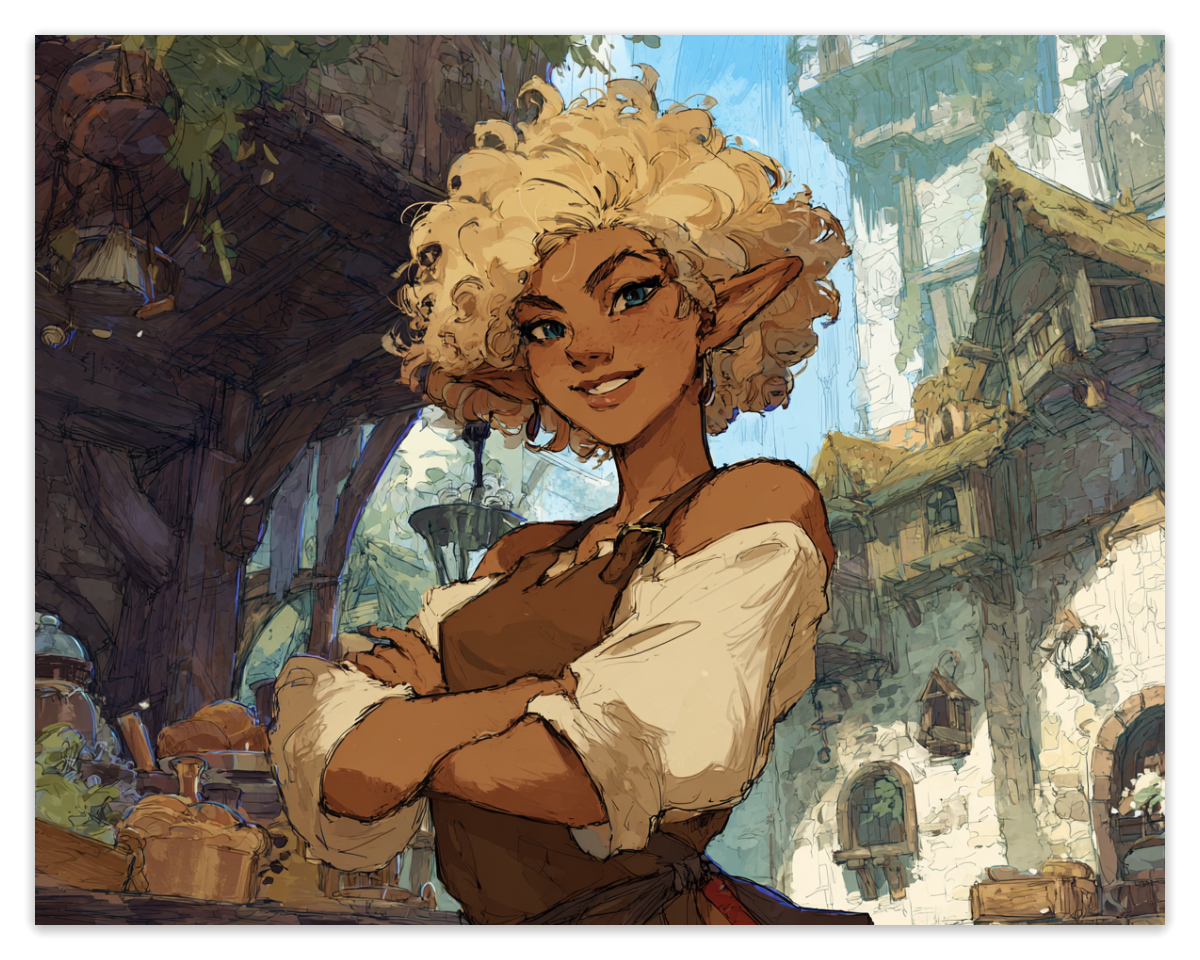
The Rooted
Full Unbroken Tradition
The communities where the festival tradition runs deepest and has been least interrupted. The Naming is conducted with full community participation. The oral archive extends back many generations with specific detail. Elders carry authority earned across decades of visible public contribution. The Rooted are the fullest expression of what Mirthling civilization was built to be, and the most suffocating for individuals who do not fit the pattern the community has settled into. The memory runs so deep that a person’s history is always present. Rooted communities produce the most genuinely warm hospitality in Midralis and, quietly, the most reliable flow of traveling Mirthlings who left because staying had become untenable. Both are consequences of the same depth.
Community Expression
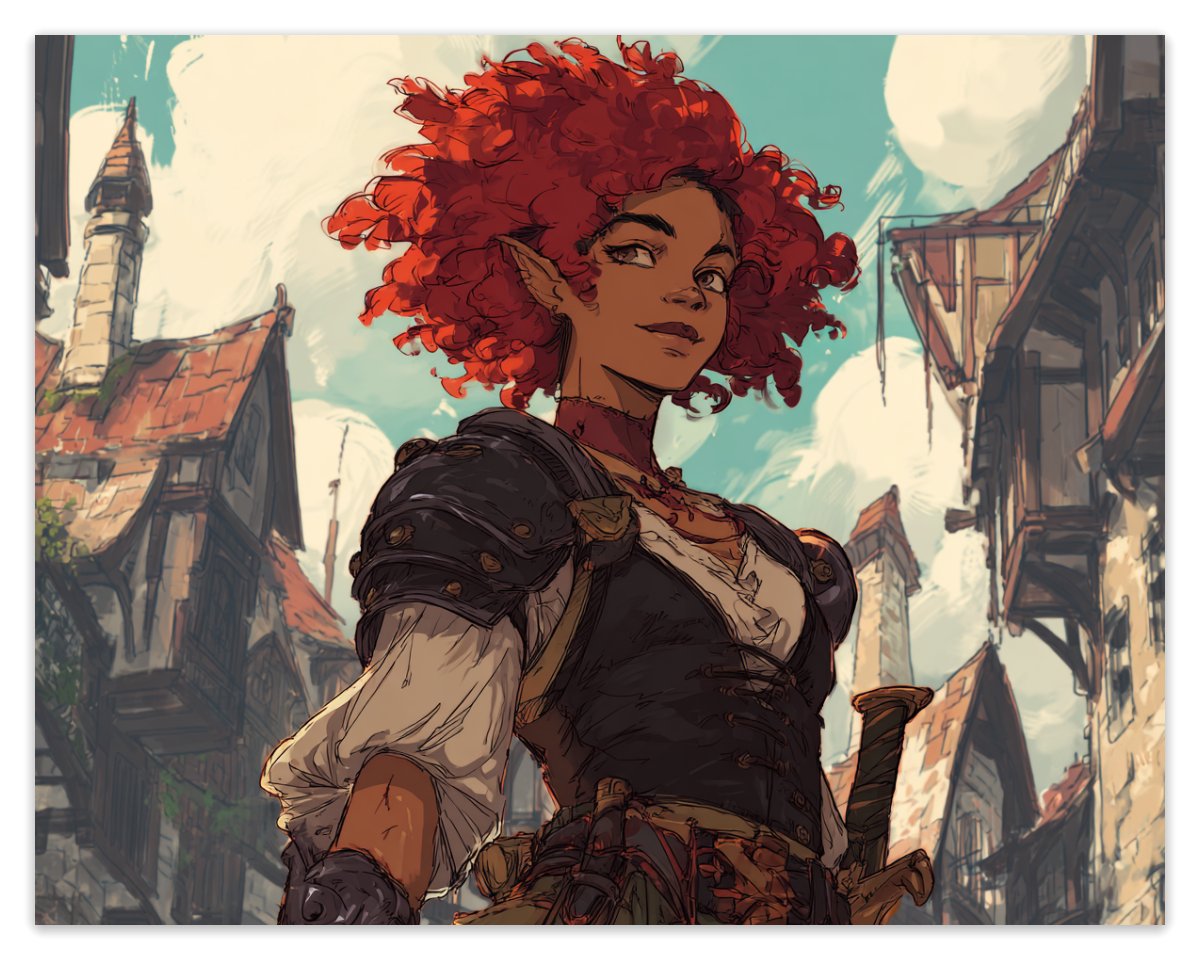
The Woven
Urban-Embedded, Festival Adapted
Mirthling quarters embedded in major cities, where the festival tradition has adapted to urban rhythms over generations. The calendar is compressed, gatherings are held in market squares and borrowed courtyards, and the guest list has expanded to include non-Mirthling neighbors who have become part of the community’s fabric. Their festival serves the surrounding neighborhood, not just the Mirthling core. A well-established Woven quarter of thirty households has, through decades of deliberate hospitality, become the social hub of a neighborhood of three hundred. The Mirthlings are aware of this. Most of the three hundred are not.
Community Expression
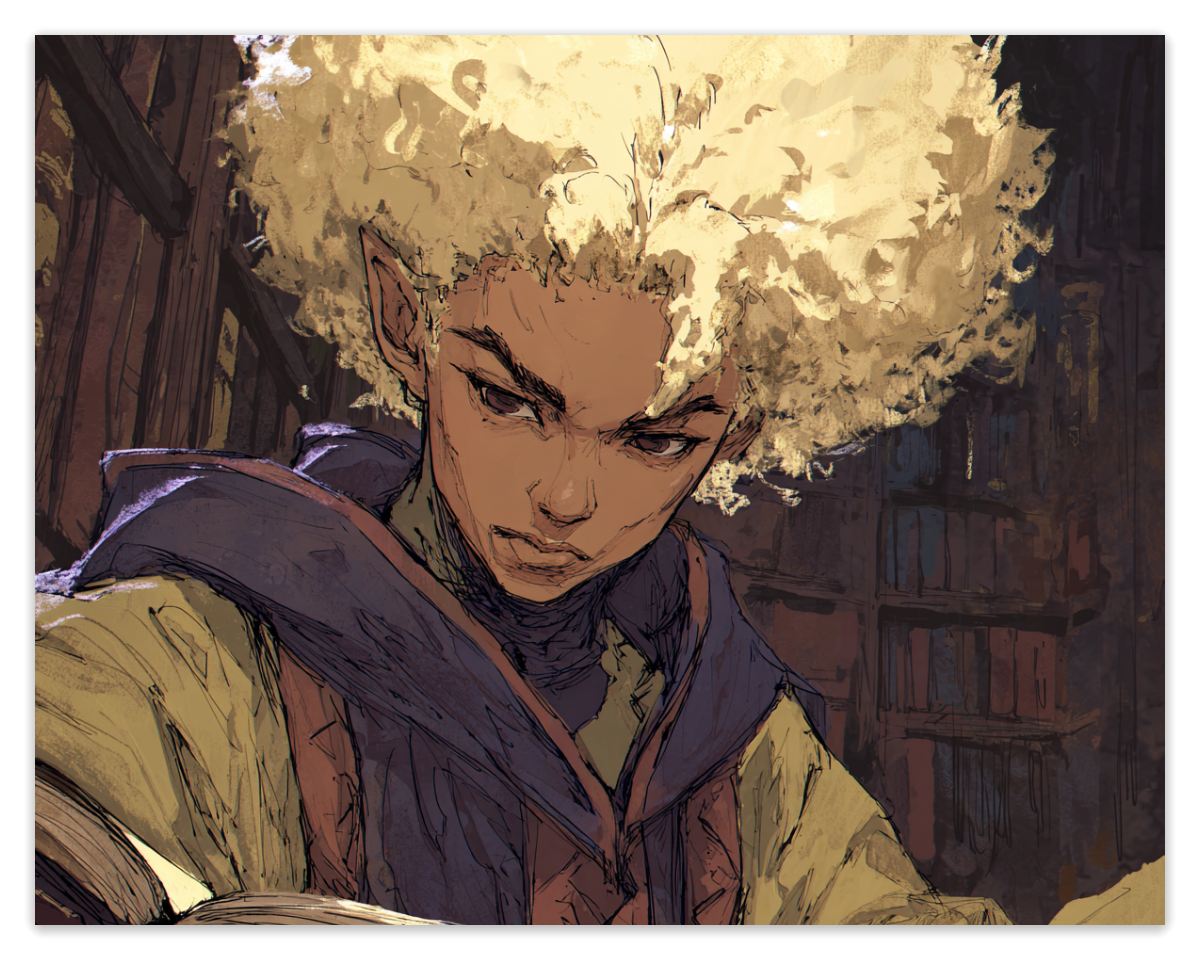
The Drifted
Partially Lost Tradition
Communities that have partially lost the festival tradition and know it. A generation ago, the keeper of certain festival songs died before transmitting them. A Naming got skipped during a crisis and the habit of skipping it developed afterward. A long displacement broke the calendar continuity and the restored version has gaps that everyone can feel but no one has adequately named. The Drifted hold festivals. They are not quite right. Some are actively trying to recover what was lost. Others have made peace with it and are building something new from what remains. The traveling Mirthling from a Drifted community carries a specific quality others notice: they are seeking something they cannot fully name but know they are missing.
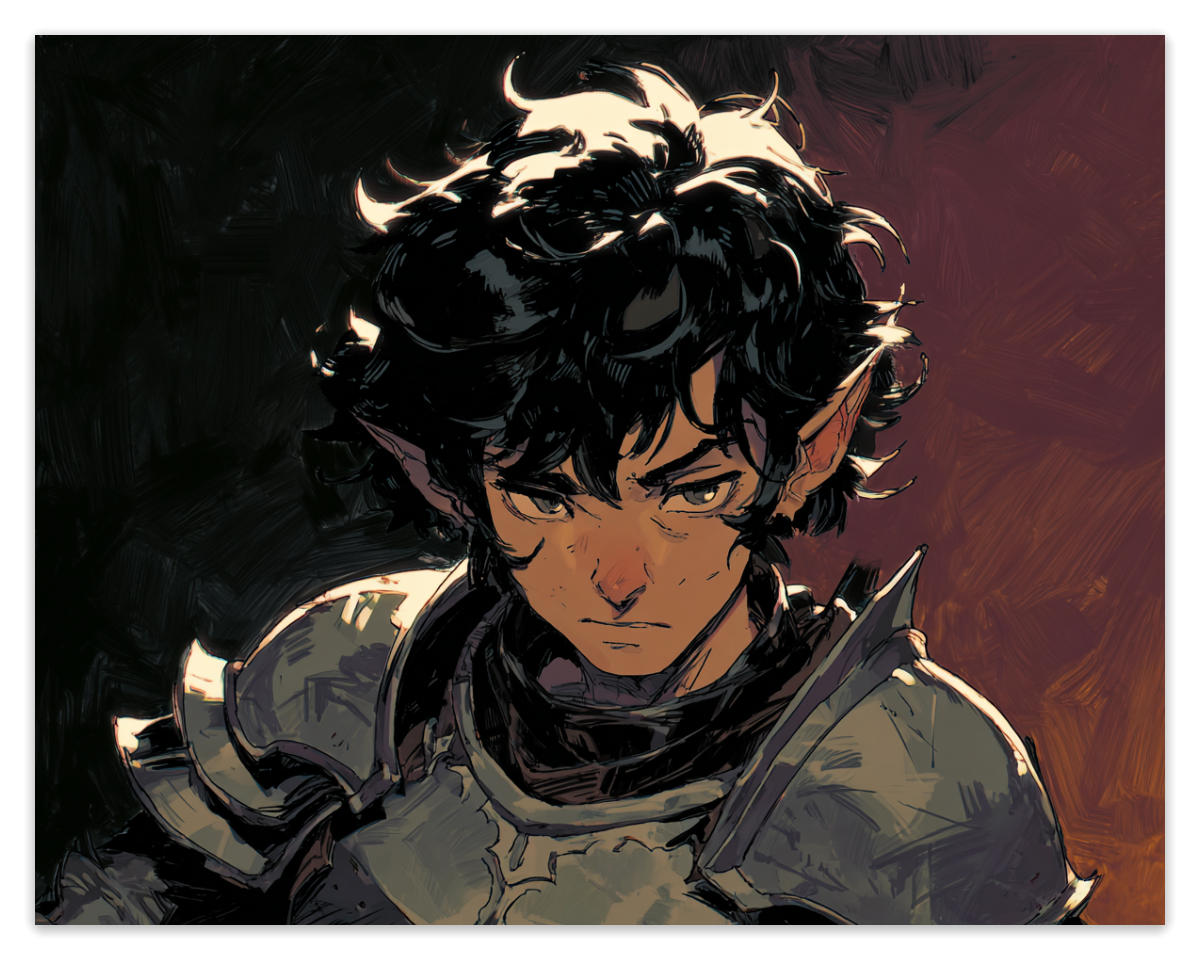
Community Expression
The Hollowed
Festival Form Persists, Tradition Captured
The darkest expression. The festival calendar exists. The Naming is performed. The dispute resolution process runs. The songs are sung. Everything looks, to a visitor, like a functioning Mirthling community. What has changed, over generations of slow drift, is who the mechanism serves. One family, or one sufficiently dominant elder, has achieved a position where the community’s collective judgment reliably produces outcomes in their favor. The oral record has been shaped, not falsified but curated, toward a version of community history in which this family’s centrality is simply how things are. The Hollowed community does not know it is Hollowed. The family at the center does not think of themselves as having captured anything. They think of themselves as the people the community has consistently recognized as wise, and they are not entirely wrong.
The Lucky Ones: Fortunate Interference
Mirthlings carry something that does not have a clean academic name. The Ninefold Conservatory calls it Fortunate Interference. Their one published paper on the subject has a conclusion section notably more hedged than its data. Folk tradition across Midralis calls it Mirthling Luck. Neither name is entirely wrong or entirely right.
What is observable: a significant proportion of Mirthlings demonstrate a consistent pattern of statistically improbable positive outcomes in moments of genuine need. Not in card games or competitions. In moments when the situation has genuinely deteriorated and the outcome should, by any reasonable analysis, be bad. The roof that holds one more season. The stranger who turns out to be trustworthy. The fall that should have broken something that doesn't. The conversation that was going wrong until it wasn't. The ability runs in families without being reliably transmitted, appears in individuals with no family history, and occasionally skips generations entirely. It is not teachable and not suppressible.
How Mirthlings Relate to Their Own Luck
For most Mirthlings, the boldness the ability produces is instinctive. They do not theorize about why they step into situations that should be beyond them. They step in, and things tend to work out, and they have learned through accumulated lived experience that most moments have something in them if you lean into them rather than away. For Mirthlings who carry Fortunate Interference at higher intensity, the ones the culture calls Lucky Ones, the relationship with the ability is conscious. They know what they have, though they cannot explain it or reliably activate it. But they have felt it enough times to recognize it: the particular quality of a moment where the probability is bending, where something that should not be possible is briefly available. Experienced Lucky Ones describe it as a door that opens, not for long and not always to somewhere safe, but open.
How Communities Treat the Lucky Ones
Communities that celebrate the ability treat it as confirmation that they are favored, that the old warmth is still present in the world. These communities place Lucky Ones in positions of subtle social authority: not formal leadership, but the person whose read on a situation carries extra weight, whose presence at a difficult festival moment is sought. The Lucky One who can see that their presence has become quietly required rather than freely given is not in a position to address it without damaging the community's trust in them. Consistently positioned as the solution to difficult moments, they begin to feel responsible for outcomes they have no control over. When the ability does not produce the expected result, they carry the community's careful not-disappointment, which is worse than disappointment.
Communities that find the ability unsettling are responding to something they cannot name but cannot ignore. A Lucky One in the room feels, to Mirthlings with any sensitivity to Spira, like something old is present: not threatening, not dark, but ancient, and not accounted for in any framework the community possesses. The door opens. It does not specify what is on the other side. Lucky Ones who have been through failed doors, who took the bold action that felt right and found it led somewhere terrible, develop a specific caution about the felt sense itself. Some stop trusting it; some cannot. Neither position is comfortable.
The Concordiax's investigative arm has opened and closed files on specific Mirthling communities at least three times throughout the 4th Age. They found nothing actionable, and the communities in question are aware of this. Mirthlings in institutional contexts where their luck has been noticed walk a specific tightrope: producing outcomes that could only be explained by Fortunate Interference while maintaining plausible deniability to observers with formal authority to classify something as unlicensed Prismaturgy. The tightrope has not been dropped yet. Nobody in the relevant communities is comfortable about how thin it is.
Affinity Disposition: Balanced
Mirthlings exhibit a broadly balanced Spiritual Expression distribution, the most evenly spread of any mortal race in Midralis. Anima and Mind sit slightly elevated, consistent with a race whose civilizational investment has been concentrated in social connection, collective memory, and the navigation of human complexity at close range. No other expression sits significantly above or below the baseline. Empyreal sits at the mortal floor. The Modern Gods have no particular relationship with Mirthlings, and Mirthlings have no particular relationship with the Modern Gods. The arrangement appears mutual.
The balanced distribution is itself a piece of data, though what it is data of is a question that different scholars answer differently. A race designed for universal integration, for fitting everywhere and being welcome in every community, would have something close to this distribution. Whether the design was deliberate, and who if anyone did the designing, is a question the Conservatory's file on Fortunate Interference is quietly adjacent to.
This table reflects population-level Spira tendencies; individual variation always applies.
| Spiritual Expression | Distribution (%) |
|---|---|
| Nature | 7.5 |
| Wind | 7.5 |
| Anima | 8.5 |
| Mind | 8.5 |
| Fire | 7.5 |
| Metal | 7.5 |
| Earth | 7.5 |
| Aqua | 7.5 |
| Electricity | 7.5 |
| Ice | 7.5 |
| Thunder | 7.5 |
| Darkness | 7.5 |
| Light | 7.5 |
| Empyreal | 0.5 |
Modern-Day Mirthlings
In the 4th Age, Mirthlings occupy the position they have occupied in every Age: politically minor, socially essential. No Mirthling nation exists. No Mirthling institution operates at the Concordiax level. And yet there is almost no community of significance that has not been shaped by the Mirthlings within it. The 4th Age's increasing institutionalization has not displaced Mirthlings from the social layer they occupy; if anything, it has increased their value. The gap between what institutions can do and what communities actually need has grown, and Mirthlings fill gaps. They are the translators between formal systems and actual people. They are the ones who know which rule can be bent and who to ask. They are the market gossip network, the informal arbitrators, the keepers of specific knowledge without which official records become fiction.
The four community expressions are all present in the 4th Age, in different proportions by region. In Auridia's major cities, the Woven are the dominant expression. In Vasterien's more isolated communities, Rooted Mirthling villages survive with traditions closer to unbroken than anywhere else in Midralis. The Drifted are distributed widely, concentrated in regions that experienced the most disruption during the Cataclysm and its aftermath. The Hollowed exist everywhere and are rarely identified as such from outside; they look, to the casual observer, like fully functional Mirthling communities.
The more specific contemporary pressure comes from an unexpected direction. Several Concordiax administrative scholars have begun studying Mirthling festival governance as a possible model for state-mediated arbitration. The functions are structurally similar: witnesses, collective record, elder authority, permanent outcome. The Mirthling communities these scholars have approached have been extremely warm in declining the conversation. Nobody has formally noted that a Mirthling festival cannot be audited, replicated, or standardized, because the mechanism only functions with the people who carry it. The scholars will figure this out eventually. The Mirthlings are comfortable waiting.
Language Notes
Mirthlii is the native Mirthling language: Midralis-origin, predating the New Age, spoken across all communities in every region with dialectal variation but high mutual intelligibility. It functions less as a tool for communicating information and more as a technology for constructing social reality. Diplomata provides functional coverage for most daily interactions. What Diplomata cannot carry is the specific social work that Mirthlii was built to do.
The Warmth Register
The vocabulary of hospitality and belonging in Mirthlii does not survive translation. There are words in Mirthlii that distinguish between 'a person who is welcome here' and 'a person who is welcome here the way this community means welcome': a distinction that requires a grammatical case in Mirthlii and a paragraph of explanation in Diplomata. There are words for the specific quality of a meal made by someone who knows what you need rather than what you asked for. There are words for the kind of silence between people who are comfortable. Mirthlii in its full hospitality register is not a language that conveys warmth. It is a language that enacts it: speaking it correctly to someone produces, in them, the experience of belonging, not through manipulation but through the accumulated precision of a language that has been refined across generations specifically for this purpose.
The warmth register also has a prosody: a specific rhythm and pitch pattern used in difficult moments. The Ninefold Conservatory's Spira research division has a file on its effect on listeners. The file's conclusion is that the effect is consistent enough to be real and insufficient to classify as Prismal working, which is accurate and deeply unsatisfying to the researcher who wrote it.
The Memory Register
The grammar of speaking about the dead and the long-absent in Mirthlii is distinct from the grammar of speaking about the present. There is a tense for people who are 'known but no longer here' that does not indicate someone existed and has ceased to exist; it indicates that someone exists in the community's knowing even though they are no longer present in person. The Naming ceremony uses this tense exclusively. The effect is that the dead person is grammatically present in the conversation: not metaphorically, but in the specific sense that the language treats them as an ongoing subject rather than a concluded one. A community using this tense about someone who died two hundred years ago is not pretending they are alive. They are asserting that the community's knowledge of them is alive, which in Mirthling cosmology is the relevant question.
Non-Mirthling scholars studying Mirthlii have occasionally noted, with discomfort, that the language has no grammatical mechanism for complete forgetting. There are degrees of not-knowing, categories of partial knowing, forms of knowing-that-one-has-forgotten. There is no grammatical construction for the complete absence of knowledge about a person who once existed. The language treats such absence as an error state rather than a valid condition.
Festival-Form Mirthlii
Mirthlii has specific linguistic structures used only during festivals. The Naming has its own register: vocabulary constrained to sensory and behavioral specifics, grammar that prohibits abstraction, and contributions made in the wrong register gently but clearly corrected by the presiding elder. The dispute resolution section uses a different register: more formal, organized around the public acknowledgment of specific acts rather than the characterization of persons. The community renewal section uses the most ancient and least altered Mirthlii forms, some of which speakers across different regions cannot fully parse but recognize as correct the way old songs are recognizable even when the words are half-unfamiliar.
Communities that have lost festival-form Mirthlii find that the festival functions differently when conducted in Diplomata or a mixed code. The dispute resolution still produces settlements and the memory maintenance still preserves names. Something that regular Mirthlii speakers describe as the texture of the event is absent. The Drifted communities most actively trying to recover their tradition are predominantly trying to recover the festival-form language, because they have correctly identified it as the thing most clearly missing.
Systems & Campaigns
- Pathfinder 2e Halfling Ancestry
- Draw Steel Polder Ancestry
- Daggerheart Halfling Heritage
- D&D 5e+ Halfling Race
- Realmfall Saga Active